
What Is SEER2? Understanding AC Efficiency and Why It Matters
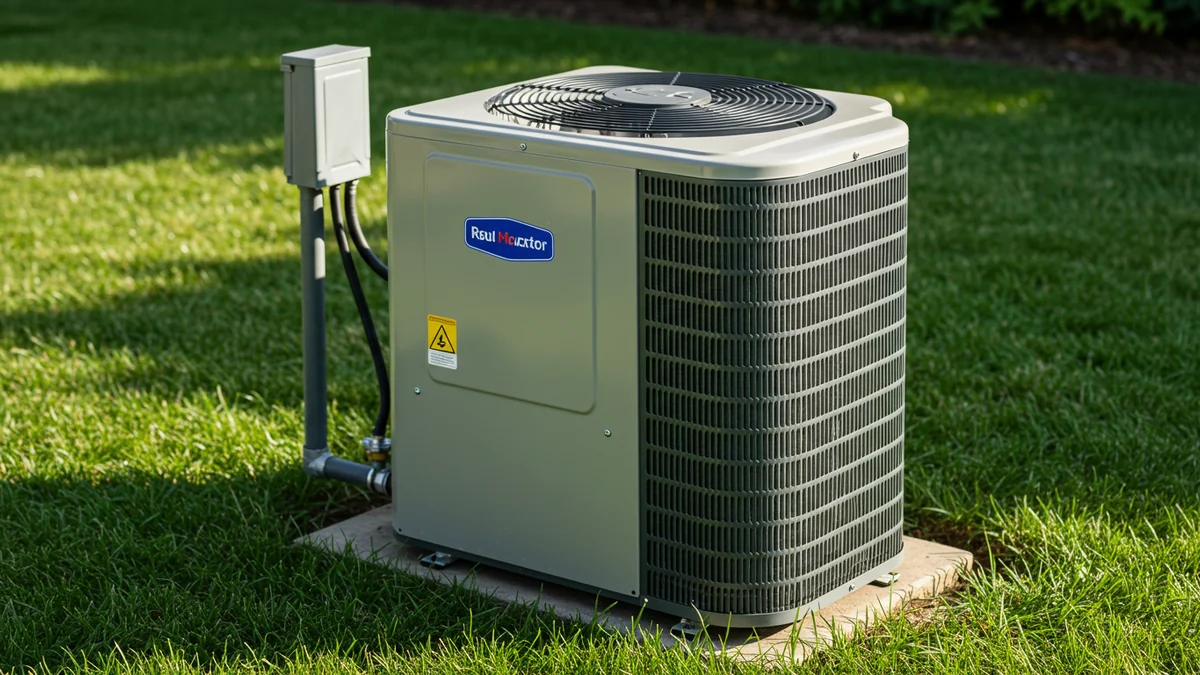
When you shop for a new air conditioner, one number comes up again and again: SEER — or, on equipment sold today, SEER2. It directly affects your comfort, your hydro bill, and your home’s footprint. Here is what it means, in plain English.
What SEER2 Stands For
SEER stands for Seasonal Energy Efficiency Ratio — a measure of how efficiently an air conditioner cools over an entire cooling season. In simple terms:
SEER = cooling output (BTUs) ÷ energy used (watt-hours)
The higher the number, the more cooling you get per unit of electricity.
Why It’s Now “SEER2”
On January 1, 2023, the U.S. Department of Energy introduced a new test procedure (10 CFR Appendix M1). Equipment tested under it carries the updated labels SEER2, EER2, and HSPF2.
Here is the part that confuses people: SEER2 numbers run about 5% lower than the old SEER number for the same unit. A model that was rated 16 SEER shows roughly 15.2 SEER2. The equipment didn’t get worse — the test just got more realistic, using higher external static pressure that better reflects how systems actually perform installed in a real home. So when you compare an old quote to a new one, make sure you are comparing SEER2 to SEER2.
Why SEER2 Matters for Your Bills
Cooling is one of the biggest drivers of a summer hydro bill in Ontario. A higher-SEER2 system uses less electricity for the same cooling, which means:
- Lower monthly hydro bills
- Reduced overall energy use
- Better, more consistent comfort
Over a long, hot Ontario summer, the difference between an old low-efficiency unit and a modern high-SEER2 system adds up meaningfully.
SEER2 vs. EER2 vs. HSPF2
These ratings cover different things — useful to know when comparing equipment:
- SEER2 — seasonal cooling efficiency (the headline AC number)
- EER2 — efficiency at a single fixed temperature, handy for comparing specific models
- HSPF2 — seasonal heating efficiency, the number that matters for heat pumps (and which runs about 15% lower than the old HSPF, again due to the testing change)
Furnaces use a separate rating, AFUE. We pull all of these together in our SEER2, HSPF2, and AFUE explainer.
Real-World Numbers
- Old AC units often rated SEER 8 to 10
- Modern systems typically run SEER2 ratings from the mid-teens to 20+
- Higher-SEER2 units cost more upfront but save more over their life
Should You Upgrade?
If your current unit is over 10 to 15 years old, it almost certainly has a low efficiency rating. A modern high-SEER2 system can lower your bills, improve comfort, and may qualify for current Ontario rebates through the Home Renovation Savings Program.
The takeaway: a higher SEER2 number means lower running costs — just make sure you compare SEER2 to SEER2, since the 2023 testing change makes the new numbers look ~5% lower for the same equipment.
Want help finding the right efficiency level for your home? Our companion piece on what SEER2 means for your energy bills goes further, or book a free AC efficiency assessment. You can also explore our air conditioner installation service.
Get expert HVAC advice for your home
Honest quote within the hour. ESA & TSSA certified. 12-year parts & labour warranty.
Related articles
 Buyer Guides
 SEER2, HSPF2 and AFUE Explained: The HVAC Ratings That Actually Matter
Confused by SEER2, HSPF2 and AFUE on your HVAC quote? Here is what each rating means, why a 16 SEER unit now reads 15.2 SEER2, and how to compare equipment honestly in 2026.
 Buyer Guides
 Why an Oversized Furnace or AC Costs You Comfort: Manual J Explained
Bigger isn't better with HVAC. Learn why an oversized furnace or AC short-cycles, leaves your home muggy, and wears out early — and how a Manual J load calculation sizes it right.
 Buyer Guides
 ESA and TSSA: The Two Ontario Authorities Behind a Legal HVAC Install
A cheap unlicensed HVAC install can void your insurance and break Ontario law. Here is what the ESA and TSSA actually require, and why a licensed, insured contractor protects you.