
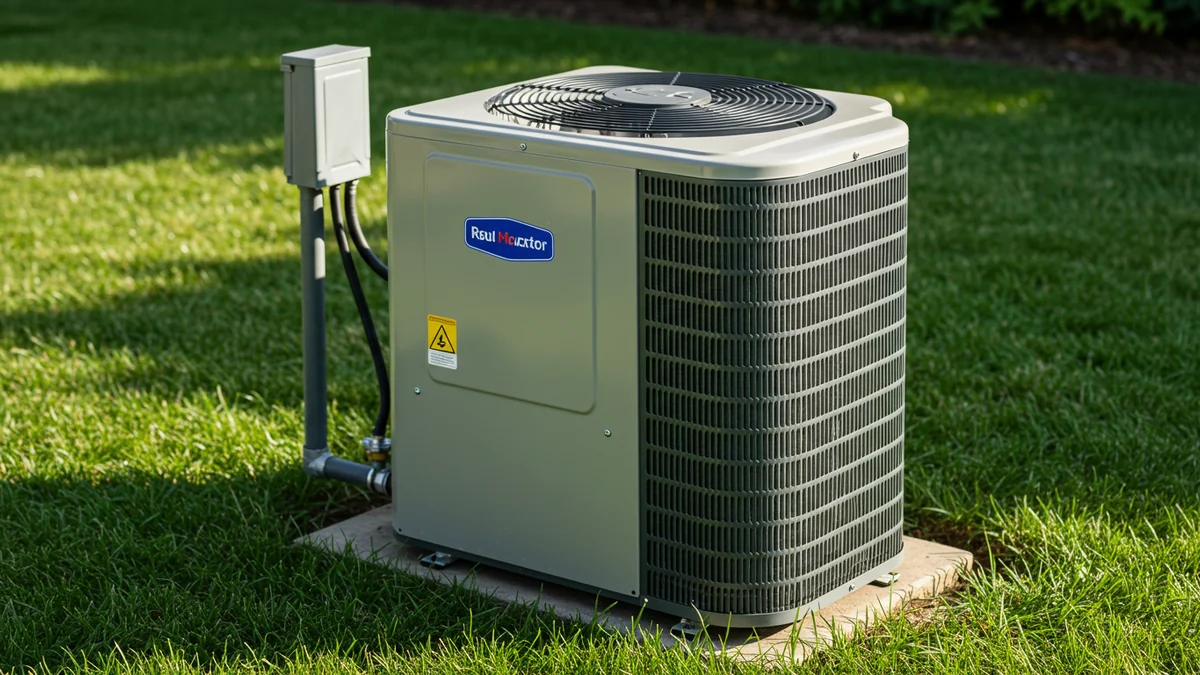
The Carbon Tax Is Gone From Your Heating Bill: Gas vs. Heat Pumps in 2026
A lot of Ontario homeowners chose between gas and a heat pump partly because of the carbon tax — the extra charge that crept onto natural-gas bills year after year. So a fair question in 2026 is: now that the carbon tax is gone, does gas win again?
The honest answer is more interesting than a simple yes or no. Here’s what actually changed, and how it should reshape your thinking.
What changed on April 1, 2025
The Government of Canada removed the federal consumer fuel charge effective April 1, 2025. That ended the extra charge applied to gasoline, diesel, natural gas and home heating oil in the provinces where it was in effect, including Ontario.
In plain terms: the line item that made your natural-gas bill climb each spring is no longer there. For a gas-heated home, that’s a real, immediate reduction in the marginal cost of burning gas.
What did NOT change
This is where a lot of online commentary gets it wrong. Only the consumer-facing charge was eliminated. The industrial carbon-pricing system remained in place even after the consumer fuel charge was set to zero.
So the policy didn’t vanish — it shifted. The piece that hit your household heating bill directly is gone; the piece that applies to large industrial emitters continues. For a homeowner, the practical effect is simply that comparing gas to a heat pump on operating cost no longer includes a consumer carbon charge on the gas side.
So how should you actually decide between gas and a heat pump?
With the carbon tax out of the equation, the decision comes back to three durable factors: efficiency, the cleanliness of Ontario’s grid, and rebates. None of those depend on a tax that may or may not exist next year.
1. Efficiency: a heat pump moves heat instead of making it
A gas furnace burns fuel to create heat, and even a top-tier model is around 96% efficient. A heat pump doesn’t burn anything — it moves existing heat, which is why it can deliver more energy as heat than it consumes as electricity. NRCan field testing shows a properly specced cold-climate heat pump keeps a coefficient of performance near 2.0 even at −25°C. That fundamental efficiency advantage didn’t change with the tax.
2. Ontario’s grid is unusually clean
Here’s the fact that should anchor the decision in Ontario specifically: in 2024, about 84% of the electricity on Ontario’s grid was produced without emissions — roughly 51% nuclear and 24% hydro. So when you run an electric heat pump in Ontario, the electricity behind it is overwhelmingly low-carbon. Even without a carbon tax steering the choice, an Ontario heat pump remains a genuinely low-emissions way to heat a home — not because of policy, but because of how the province makes its power.
3. Rebates still favour the heat pump
The province continues to offer substantial heat pump incentives through the Home Renovation Savings Program and, for oil-heated homes, OHPA. Those rebates can offset a large share of the higher upfront cost of a heat pump. We keep the full, current breakdown in our 2026 Ontario heat pump rebate guide.
The bottom line
Removing the consumer carbon charge modestly improved the running-cost case for natural gas — that’s true and worth acknowledging. But it didn’t touch the three things that actually make a heat pump compelling in Ontario: it’s more efficient by design, it runs on one of the cleanest grids in North America, and it’s the most heavily rebated upgrade available.
If you were leaning toward a heat pump because of the carbon tax alone, it’s worth revisiting the math on its real merits. And if you’re choosing between a heat pump and a standard AC, our look at whether heat pumps work in a Canadian winter lays out the trade-offs — including the modern low-GWP refrigerants that today’s systems use.
Get an honest, tax-free comparison
We’ll run the real numbers for your home — gas furnace versus cold-climate heat pump — with current rebates and Ontario’s grid factored in, no carbon-tax assumptions required. Book a free quote and we’ll give you a straight answer, usually within the hour.
Get expert HVAC advice for your home
Honest quote within the hour. ESA & TSSA certified. 12-year parts & labour warranty.
Related articles
 Rebates & Savings
 Ontario Heat Pump Rebates in 2026: What You Can Actually Get Now
The Canada Greener Homes Grant is closed. Here is the real Ontario heat pump rebate picture for 2026 — Home Renovation Savings up to $12,000 and OHPA up to $25,000.
Rebates & Savings Oil to Heat Pump Affordability (OHPA): Up to $25,000 in Ontario
If you heat your Ontario home with oil, the OHPA program now offers up to $25,000 to switch to a heat pump. Here is who qualifies and how the federal and Ontario funding stacks.
Rebates & Savings Save Up to $7,500 on a Heat Pump: AeroFusion's 2026 Rebate Offer
How AeroFusion helps Ontario homeowners save up to $7,500 on a heat pump in 2026 by stacking current Home Renovation Savings Program and OHPA rebates with our pricing.